

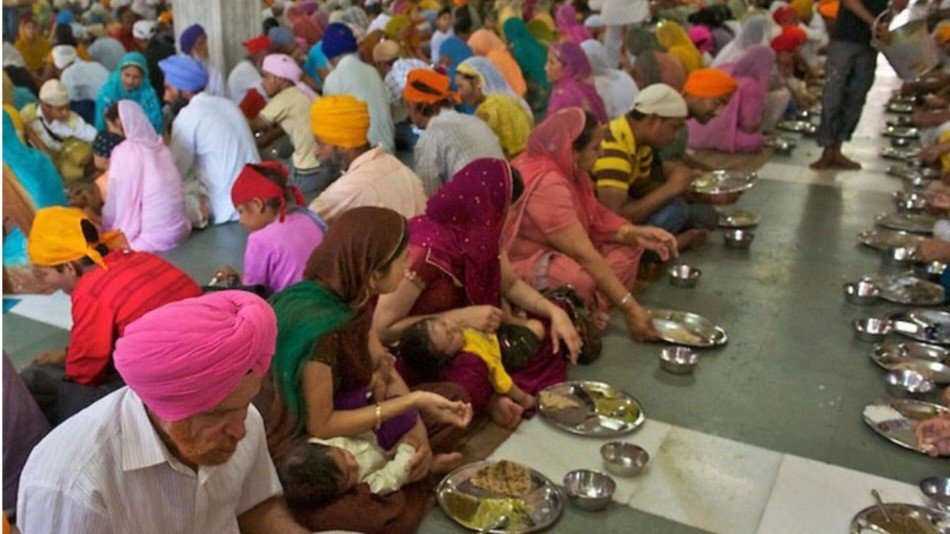
Indian dining traditions offer some of the most vivid lessons in sharing, respect, and inclusion. A fascinating feast for both the senses and the spirit. The experience of meals in India is shaped by an extraordinary mix of rituals: communal sharing, vegetarian and non-vegetarian customs, eating with the hands, respecting individual choices, and fighting food waste.
Each of these, when viewed through the lens of leadership, provides timeless lessons that modern leaders and organizations would do well to savor.
The Culture of Sharing and inclusive generosity
In India, eating is rarely a solitary act. Whether on a train journey, at a canteen table, or during a family meal at home, food is meant to be shared. Dishes are placed at the center so everyone can taste a little of everything, and it’s common for lunchboxes brought from home to be opened up and passed around the table. From enormous restaurant portions designed for multiple diners to the gentle custom of ordering ‘half plates,’ the act of sharing food becomes a demonstration of generosity and care – a subtle promise that no one eats alone or is left out.
The tradition of Gurdwara Langar – the Sikh community kitchen – stands as one of India’s finest models of inclusive generosity. At every Sikh gurdwara, a vegetarian meal is served daily to all visitors, no matter their religion, caste, gender, or economic status. The same is followed by many religious institutions. Everyone sits together on the floor, side by side, eating the same simple fare – symbolizing absolute equality and breaking every social barrier. Thousands of volunteers prepare, cook, and serve the food, practicing “seva” (selfless service), often in kitchens so vast they run nonstop all year round, with places like Amritsar’s Golden Temple feeding between 50,000 to 100,000 people free meals daily. Now multiply this by the number of Gurdwaras in India and across the world. And add to that temples and establishments of various communities which follow the same practice. Every Single Day, as long as they exist. Caste, color, creed, religion are no bar. All are welcome
An equally powerful street-side practice thrives in Indian cities: customers can pay restaurants in advance for a set number of meals, which are then offered to homeless or hungry individuals, no questions asked. This quiet act lets anyone buy “tokens” or “plates” anonymously, transforming a routine meal into a lifeline for strangers in need.
Both traditions—Langar and street meal donations—teach vital leadership lessons.
True leadership means caring for the unseen, creating spaces of belonging, and using privilege to uplift others. Reminding leaders that greatness is measured not by how many follow, but by how many are fed and included at the table.
This ethic mirrors a leadership style that values collective success over individual achievement. Effective leaders create environments where resources – whether information, opportunities, or support—are shared, enabling everyone at the table to thrive.
Respect for Difference: The Veg/Non-Veg Rule
One of the most fascinating features of Indian dining is the respect for dietary preferences and religious beliefs. Seating arrangements often reflect this: vegetarians sit together, and non-vegetarians dine in their group, sometimes even varying meal choices by day. Some are vegetarian only on certain days. Yes, it can and does get complex for many, but yet works beautifully.
Strict vegetarians, including practitioners of Jainism, might avoid even onions and garlic. There is no debate, no push to convert, just quiet acceptance.
From this, leaders learn the importance of respecting boundaries and individual choices. Inclusion does not mean sameness; rather, it acknowledges diversity and builds a culture of mutual respect. Modern organizations that thrive are those where differences are not just tolerated but honored—be it dietary choices, backgrounds, or work styles.
The Ritual of Eating with Hands
Eating with hands is more than a practical tradition—it is a philosophy. Using the right hand to eat, never the left, is a mark of good manners and cleanliness in Indian culture. This mindful contact with food is believed to deepen the sensory experience, foster gratitude, and signal respect for the meal and those who prepared it.
Leaders who engage fully with their teams, their work, and their responsibilities are more effective and authentic. Mindful leadership requires slowing down, paying attention, and valuing the moment, much like savoring a meal with one’s hands.
Food Waste and Responsibility
Of late, some Indian canteens display boards tallying daily food waste and the number of people it could have fed – a practice that hits harder than any corporate sustainability strategy. It serves as a daily moral reminder that abundance should not become carelessness, and that stewards of resources, be it food or business assets, must be conscious of impact and wastage.
Responsible leadership recognizes that waste has hidden costs, not only financial but ethical. Leaders are called upon to be good stewards, ensuring that every resource is valued, and that generosity does not drift into excess.
A Spectrum of Values
India’s melting pot includes not only Hindus, Muslims, Sikhs, Christians, Jains, and Buddhists—each group with different interpretations of the food they consume
The lesson for leadership here is flexibility and empathy. Understanding and accommodating varied beliefs, motivations, and needs creates stronger, more cohesive teams.
Anecdotes and Modern Day Parallels
- The story of dabbawalas in Mumbai, who deliver millions of home-cooked meals, often not knowing the person they are feeding, exemplifies service rooted in trust, honor, and respect—qualities every leader should possess.
- In multinational companies across India, colleagues celebrate various cultural festivals, bringing in home-cooked sweets and snacks, ensuring nobody feels left out—reinforcing that unity in diversity isn’t just a slogan but a lived reality.
India’s foodways reveal the nation’s soul: a complex blend of sharing, respect, inclusion, and mindful stewardship. As in leadership, the meal is not about making everyone the same, but about making space for everyone at the table.
Majority of the world has great passion in trying out different kinds of global cuisines, even taking pictures of the dishes and going gaga online. If twenty percent of that passion is inculcated and exhibited in global relationships, this planet of ours may still be our best bet to exist.
Disclaimer: This article is a learner’s macro study and seeks to respectfully summarize complex traditions and values; some nuances may go deeper than space here allows.
