

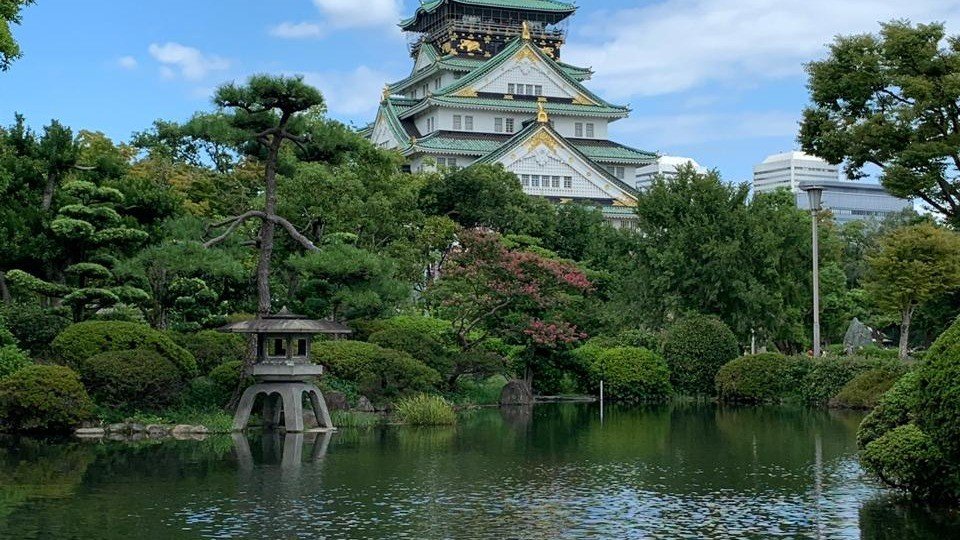
I have had the good fortune of travelling to Japan since 1990 (thats 35 years plus), dealing mainly with major names like Funai, Aiwa, Akai, Hitachi and Daikin among others.
Japanese society demonstrates a rare devotion to respect and kindness woven into everyday life – often in subtle gestures hardly noticed by outsiders. Imagine arriving early to work in Tokyo. Instead of rushing for the nearest parking spot, you intentionally leave those spaces vacant for coworkers who may be running late or facing a tough morning. This quiet ritual repeats itself across companies and communities, not mandated by any rule or sign, but practiced simply because it makes life easier for someone else. Such considerate acts reflect a core Japanese value: thinking of others before yourself.
Harmony in Everyday Actions
This spirit of mutual respect is not confined to parking lots. It echoes through many daily routines across Japan. At schools, for instance, students and teachers join together to clean classrooms after lunch. There are no designated janitors. Everyone rolls up their sleeves and contributes, reinforcing the notion that harmony thrives when each person does their part without complaint. In workplaces, employees might quietly tidy up after meetings, offer help before being asked, or pour drinks for one another at gatherings rather than serving themselves, honoring hierarchy with humility and grace.
Such behaviors – pouring tea for a colleague, always arriving on time, or never grabbing the last piece of food from a shared plate – signal a culture where consideration for others is the default, not the exception. Communication is often indirect, governed by an unspoken desire not to burden or embarrass another. Even the Japanese language itself encodes layers of respect, with distinct honorifics to address superiors and elders, continuously reinforcing social harmony.
Every trip to Japan has taught me small but unforgettable lessons in hospitality. Consider the simple exchange at a convenience store, where the shop assistant not only bows but carefully places my change on a tray rather than in my hand, to avoid physical intrusion and demonstrate respect. I recall the shinkansen (bullet train) attendants who energetically bow as passengers board, thanking travelers for simply using public services. This is a reflection of “omotenashi,” the Japanese spirit of selfless hospitality.
Another subtle yet striking image awaits guests in Japanese hotels. Young women in crisp uniforms greet visitors with a smile, offering to carry heavy luggage up to their rooms. For many travelers like me, such moments are humbling – a reminder that Japanese service values the dignity and comfort of the guest over perceptions of gender roles or status. These gestures are not performative, not a put-on, but sincere, manifesting deeply ingrained ideas of respect, humility, and pride in daily work.
The Power of Unwritten Rules
In many countries, respect and teamwork are idealized but too often relegated to posters in break rooms or lines in a company handbook. In Japan, these values are lived, not just proclaimed. No formal policy dictates where employees should park. Instead, a web of silent, shared expectations ensures respectful behavior flourishes because every individual internalizes the greater good.
The parking lot story is one of countless examples. In business, leaders make a point of listening quietly, avoiding direct confrontation, and expressing gratitude through actions rather than words. Employees strive to minimize conflict, believing that social harmony allows for greater cooperation and collective progress even if it requires personal sacrifice.
Lessons in Courtesy and Humility
Japanese etiquette abounds. Never pour your own drink at a work gathering, always use proper chopstick manners, and even cover your mouth if you must use a toothpick in public. At mealtime, it’s customary to say “itadakimasu” (thank you for the food) before eating, acknowledging the farmer, cook, and every hand that brought the meal to the table. These daily rituals teach everyone, from schoolchildren to executives, how to consider others, value their contributions, and maintain social grace.
Moreover, tipping is not expected in Japan; service staff see their role as a point of pride, not as something to be rewarded with extra cash. Expressing gratitude with words, not money, is considered more meaningful.
Items left behind in trains, railway stations, and other public places in Japan are systematically handed over to dedicated lost and found authorities. These authorities manage vast volumes of lost items, cataloging and storing them carefully, which often creates space challenges due to the sheer number of belongings – from umbrellas and bags to clothing and personal effects. Items found on trains are collected at final stops or central offices before being stored for a limited period, after which they may be transferred to regional police lost and found centers, adding to the logistical complexity of managing these spaces efficiently.
In times of crisis, such as among Fukushima survivors, a poignant example of Japanese communal spirit and mutual care emerges. Survivors often looked out for one another in challenging conditions, exemplified by a thoughtful practice where those in queues ensured that everyone, even the person next in line, had access to food. This behavior reflects deeply ingrained values of solidarity and concern for others, underscoring a culture that prioritizes collective well-being even amid hardship and loss.
Teamwork Over Individual Gain
Underlying all these rituals is the principle of collectivism. Prioritizing group harmony over individual convenience. Whether in work, school, or neighborhoods, the Japanese see themselves as part of a larger team whose well-being depends on shared responsibility and self-restraint. This collectivist ethos stands in contrast to more individualistic societies, where personal gain often trumps group welfare and transactional relationships dominate.
In Western cultures, conflict may be viewed as a driver of innovation, but in Japan, avoiding open disagreement preserves unity and allows everyone to move forward together. Even the challenges of excessive work culture, while deeply problematic, stem in part from a deeply felt responsibility not to let others down.
What One Can Learn
In a world frequently obsessed with short-term wins and self-interest, Japanese society shows the beauty and power of everyday kindness, humility, and respect. The habit of leaving close parking spaces for others, cleaning up together, or refraining from self-serving behaviors reflects a simple truth: a society works better when people look out for each other, even in the smallest ways.
There is much more to living than chasing transactional gains or fleeting deals. Real meaning comes from forging connections, nurturing trust, and building communities grounded in compassion. If the world adopted even a fraction of Japan’s respect culture, our workplaces, schools, and neighborhoods could become kinder, more harmonious, and truly extraordinary.
Yet, like every society, Japan is not without its share of challenges and contradictions. Beneath the graceful rituals and admired harmony, issues such as work-related stress, an aging population, and pressures to conform silently test the resilience of its people. The same cultural drive for harmony that fosters courtesy can also lead to emotional restraint and social withdrawal, illustrating that no system is without imperfection. Japan’s commitment to respect and order becomes more remarkable – not because it exists in isolation, but because it endures despite modern pressures and social evolution.
Japanese society reminds us daily that the measure of respect is found not in grand gestures, but in the small, thoughtful acts that quietly lift others. Let us be inspired to cultivate kindness, think about those around us, and transform our culture – one parking space, one greeting, and one generous step at a time.
As the wise Japanese proverb says: “None of us is as smart as all of us.” In the end, it is kindness and collective respect that make a community thrive.
For those like me, who are inherently disciplined and inclusive by nature, the Japanese style of living offers a harmonious way of life where order, mutual respect, and collective well-being are deeply valued.
To the Japanese – Anata de ite kurete hontou ni arigatou gozaimasu – Thank you so much for being you
