

When we think about leadership, visions of bold decisions, rapid actions, and visible victories often come to mind. In boardrooms, this translates to speed, market dominance, expansion, and outmaneuvering competition. Yet, some of the most enduring lessons of governance and leadership come not from measured aggression, but from reflective wisdom. And perhaps no story captures this truth better than the tale of Lord Ganesha and the race around the world. This story will resonate well with all those who follow our customs and beliefs.
The Story: A Fruit of Knowledge
Sage Narada once brought a divine fruit to Lord Shiva and Parvati, declaring it a fruit of supreme wisdom. Naturally, both Ganesha and his brother Kartikeya wished to attain it. Their parents then set forth a challenge: whoever circled the three worlds fastest would win the fruit.
Confident of his speed, Kartikeya immediately hopped on his magnificent peacock and set off on a long, exhausting, yet ambitious exploration of the heavens and earth.
Ganesha, however, stood quietly for a moment. He understood not just the surface challenge, but the intent behind it. To him, the “world” was not just geographical expanse but the essence of existence. Calmly, he walked around his parents Lord Shiva and Goddess Parvati three times and proclaimed: “For me, you are my entire world. Circumambulating you is equivalent to circling all the three worlds.”
Touched by this depth of thought, Shiva and Parvati awarded Ganesha the fruit of knowledge.
The Wisdom in this Story
This seemingly simple story carries profound leadership lessons:
- Strategy over Speed: Kartikeya symbolizes ambition and immediacy—traits often celebrated in today’s corporate world. Ganesha shows that true leadership lies in stepping back, questioning assumptions, and reframing the challenge.
- Understanding Intent, Not Just Instructions: Ganesha did not just follow the literal directive; he understood the spirit of the task. Good governance requires leaders who can balance compliance with deeper intent—translating regulations into principled action.
- Values as Compass: By placing parents—the source of his being—as his “world,” Ganesha teaches us prioritization rooted in values. Likewise, successful organizations place stakeholders, ethics, and long-term sustainability at the center, rather than chasing short-term optics.
Leadership Lessons for Modern Governance
How does this story translate for leaders, managers, and boards today?
- Redefine the Race Too often, corporations engage in the “Kartikeya style” race. Businesses expand aggressively, leaders chase quarterly targets, and organizations measure success by how far and fast they’ve traveled. But speed without direction is chaos. The Ganesha approach suggests reframing: What is the real strategic goal? Instead of competing on speed, leaders must redefine their path based on purpose and clarity.
- Wisdom Over Ego Kartikeya’s attempt reflects ego-driven competition—believing speed ensures victory. Ganesha’s calmness reflects humility and inner awareness. In companies, ego-driven decisions—whether from CEOs or board members—often derail governance. Great mentors and leaders lead without ego, ensuring collective wisdom prevails over individual brilliance.
- Stakeholder-Centric Governance Just as Ganesha placed his parents at the core, organizations today must place stakeholders—customers, employees, shareholders, regulators, and society—at the center of policies. Those who root their governance in inclusivity and value-creation build longevity and trust.
- Mentorship Through Example Ganesha’s act is mentorship embodied. He demonstrated to his brother and others that leadership does not always mean physical conquest; sometimes, it is intellectual and ethical conquest. In organizations, true mentors lead with example and inspire others to rethink success.
Applying Ganesha’s Leadership in Business
Let’s consider a modern business parallel. In India’s digital payments sector, companies like Razorpay or Cashfree compete in a regulatory environment that changes rapidly. A “speed-first” mindset would tempt firms to scale as quickly as possible without worrying about compliance. But that often leads to painful crackdowns, bans, or reputational harm. The “Ganesha approach” would be to circle around the real “world”—the regulators, customers, and trust ecosystem—ensuring sustainable, long-term growth instead of risky shortcuts.
Similarly, in governance crises (like boardroom disputes, ethical failures, or hostile takeovers), the Ganesha principle says: slow down, reassess, and act with clarity. Rather than racing into reactionary measures, wise boards pause to frame the bigger picture.
Broader Symbolism of Ganesha
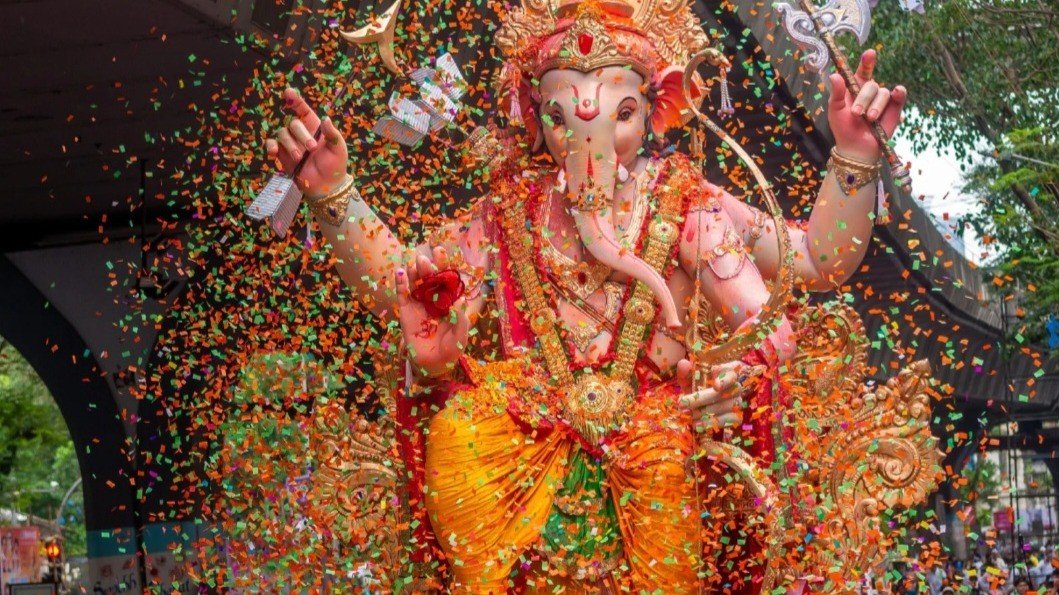
Lord Ganesha is always worshipped first in Hindu rituals, symbolizing the remover of obstacles. But notice how he removes obstacles—not with force, but with insight. His large head symbolizes thinking big and deeply; his small eyes—focused vision; his large ears—attentive listening; his trunk—adaptability; and his single tusk—sacrifice of the unnecessary. These attributes are exactly the checklist of skills that modern leaders need: vision, focus, listening, adaptability, and the ability to prioritize essentials over excess.
The Final Leadership Insight
In governance and leadership, speed, ambition, and skill are important—just like Kartikeya’s flight across the worlds. But they are incomplete without wisdom, values, and reflection—Ganesha’s calm walk around his parents.
True leaders are not those who win by racing the fastest. They are those who understand the rules, decode their intent, and realign them with timeless values. That’s what creates trust, sustainable growth, and enduring respect.
As Ganesha showed, leadership is not about competing for the fruit—it’s about deserving it by demonstrating wisdom, grounding, and balance.
Closing Thought
In every boardroom crisis, in every decision that weighs speed against sustainability, remember the two brothers’ race. Ask yourself: Am I being Kartikeya—rushing outward for recognition? Or am I being Ganesha—anchoring inward for wisdom?
A happy Ganesh Chaturthi to all
